

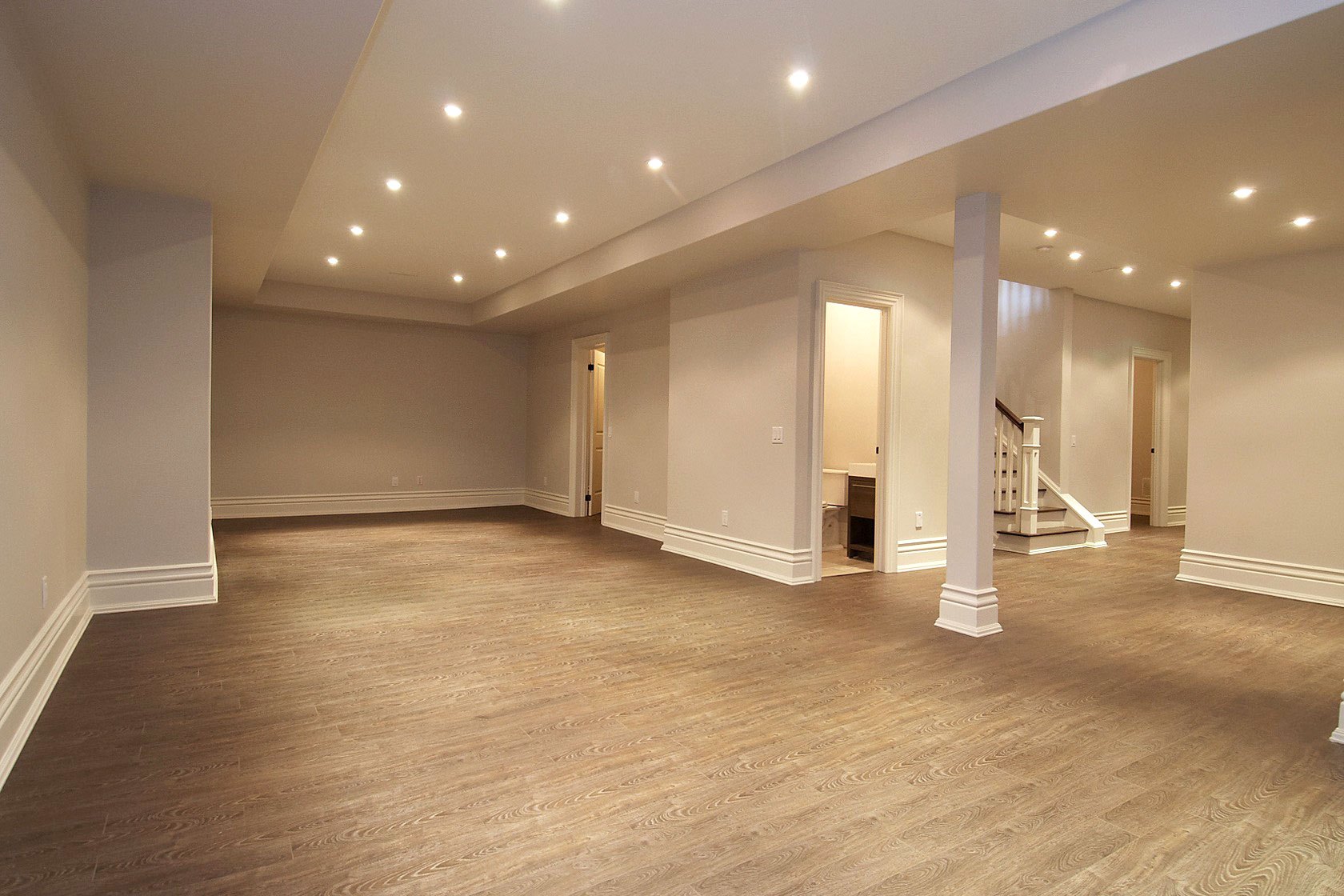
Remodeling a basement can completely transform an underutilized or neglected area of your home into a functional, comfortable, and stylish space. Whether you’re planning a home theater, guest suite, gym, office, or entertainment area, a well-designed basement can add significant living space and enhance your home’s overall value. However, many homeowners make critical mistakes during Basement Remodelings, such as overlooking moisture issues, choosing inappropriate materials, or neglecting proper planning. These errors can compromise the quality, safety, and longevity of your project, leading to costly repairs and frustration down the line.
Understanding these potential pitfalls and knowing how to address them is essential for a successful Basement Remodelings project. From the initial layout and lighting design to electrical, plumbing, and insulation considerations, careful planning and professional guidance are key to achieving a space that is both functional and visually appealing. By prioritizing high-quality materials, following building codes, and addressing common challenges like moisture and ventilation, homeowners can ensure their Basement Remodelings deliver a safe, efficient, and long-lasting result that enhances comfort, utility, and the overall value of their home.
1. Ignoring Moisture Issues
Why It Matters:
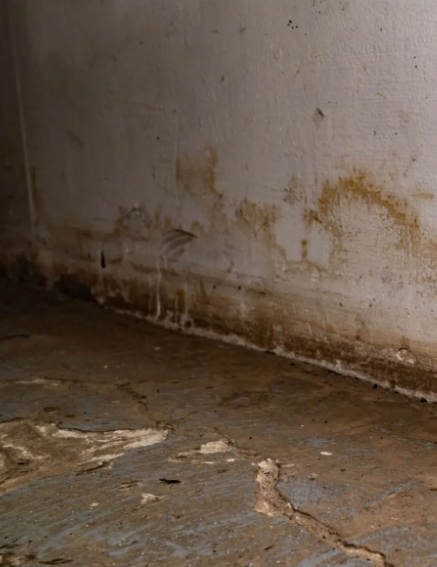
Basements are naturally prone to moisture problems due to their below-ground location. Ignoring moisture can result in mold growth, wood rot, structural damage, and compromised indoor air quality. Moisture problems can also make your basement uncomfortable and unhealthy for daily use.
Common Mistakes:
- Starting your remodel without addressing moisture problems such as damp smells, water stains, or visible mold.
- Relying solely on waterproof paint or a sump pump, which may not provide comprehensive protection.
How to Avoid It:
- Conduct a thorough inspection for leaks, cracks, or water intrusion before beginning your remodel.
- Implement effective waterproofing methods, such as sealing foundation cracks, installing French drains, or using vapor barriers.
- Ensure proper ventilation and consider adding a dehumidifier to control humidity levels.
- Repair any leaks or water sources to prevent long-term damage.
Addressing moisture issues early ensures the longevity and durability of your Basement Remodelings project.
2. Poor Planning and Layout
Why It Matters:
A well-thought-out layout is crucial for creating a functional basement. Poor planning can lead to wasted space, awkward room flow, and unnecessary costs for adjustments or renovations.
Common Mistakes:
- Not having a detailed floor plan before starting construction.
- Failing to consider the placement of essential elements such as electrical outlets, plumbing, HVAC systems, or furniture.
How to Avoid It:
- Develop a detailed floor plan indicating wall locations, doors, furniture placement, and utility connections.
- Consider the purpose of each area—whether it’s a home office, entertainment room, or guest suite—and plan accordingly.
- Consult a designer, architect, or professional Basement Remodelings contractor to ensure the layout is efficient and maximizes usable space.
Proper planning ensures your basement is functional, comfortable, and aesthetically pleasing.
3. Inadequate Lighting
Why It Matters:
Basements often lack natural light, making thoughtful lighting design essential. Poor lighting can make spaces feel gloomy, cramped, and less inviting.
Common Mistakes:
- Relying solely on overhead lighting, which can create harsh shadows.
- Not planning for multiple light sources, resulting in dark, uninviting areas.
How to Avoid It:
- Use a mix of lighting types, including ambient, task, and accent lighting.
- Install recessed lighting, track lights, wall sconces, or pendant fixtures to distribute light evenly.
- Incorporate natural light where possible, such as adding windows, glass doors, or mirrors to reflect light.
- Consider dimmer switches to adjust lighting according to activity or mood.
Well-planned lighting enhances the comfort, functionality, and appeal of your Basement Remodelings project.
4. Neglecting Proper Insulation
Why It Matters:
Insulation keeps your basement at a comfortable temperature, improves energy efficiency, and reduces heating and cooling costs. Inadequate insulation can lead to drafts, uncomfortable spaces, and higher energy bills.
Common Mistakes:
- Using insufficient or improper insulation materials.
- Failing to insulate walls, floors, or ceilings properly.
- Ignoring ductwork and pipes, which can cause heat loss.
How to Avoid It:
- Choose appropriate insulation materials for basements, such as spray foam, rigid foam board, or fiberglass batts.
- Ensure that walls, ceilings, floors, ductwork, and pipes are insulated correctly.
- Work with a professional Basement Remodelings contractor to ensure compliance with building codes and achieve optimal thermal efficiency.
Proper insulation contributes to a comfortable and energy-efficient basement that’s usable year-round.
5. Overlooking Building Codes and Permits
Why It Matters:
Adhering to local building codes and obtaining necessary permits is essential for safety and legality. Ignoring these requirements can lead to fines, delays, or complications when selling your home.
Common Mistakes:
- Beginning construction without checking permit requirements.
- Making structural changes without approvals.
- Using contractors unfamiliar with local building codes.
How to Avoid It:
- Research local building codes before starting your remodel.
- Apply for all required permits and keep documentation of inspections and approvals.
- Consult licensed professionals or structural engineers for major modifications.
Ensuring compliance with codes and permits protects your investment and avoids legal or safety issues during your Basement Remodelings project.
6. Choosing Low-Quality Materials
Why It Matters:
The durability, safety, and aesthetic appeal of your basement depend on using the right materials. Low-quality products may fail under basement conditions, particularly in areas prone to moisture.
Common Mistakes:
- Selecting cheaper materials to save money.
- Choosing products not suited for basement environments, such as non-moisture-resistant flooring or drywall.
How to Avoid It:
- Invest in high-quality, durable, and moisture-resistant materials.
- Use mold-resistant drywall, waterproof flooring, and appropriate finishes designed for below-ground spaces.
- Work with a professional Basement Remodelings contractor to recommend and install the best materials for long-term results.
Selecting the right materials ensures your basement remains functional, safe, and beautiful for years.
Conclusion
Remodeling a basement is a valuable way to enhance your home’s functionality, comfort, and market value. However, avoiding common mistakes is crucial for a successful project. Focus on addressing moisture issues, planning layouts carefully, designing proper lighting, using suitable insulation, following building codes and permits, and choosing high-quality materials.
By consulting experienced professionals and incorporating these best practices into your Basement Remodelings, you can create a safe, stylish, and functional basement space that adds lasting value and enjoyment to your home.