

Introduction
The issue of painting ceilings might have been considered difficult, but with proper instructions, it will be a simple amateur project that every homeowner can handle. A new wall ceiling is better to brighten the room, to beautify the room, and to finish the design of the room in general. Through proper preparation, good painting techniques, you can prevent many mistakes that would otherwise be made, and a smooth finish of good quality with a professional look can be attained without wasting all the stress and cost unnecessarily.
Before You Paint: Important Ceiling Preparation Tips
It is also important to properly prepare so that the adhesion of the paint is improved, the appearance of imperfections is minimized, and possible peeling or patchiness is avoided in the future. Cleaning, repairing, and protecting walls and surfaces before the commencement of the paint also gives homeowners even coverage, better results, and a more professional look to the ceiling finish, which appears smooth, durable, and professional.
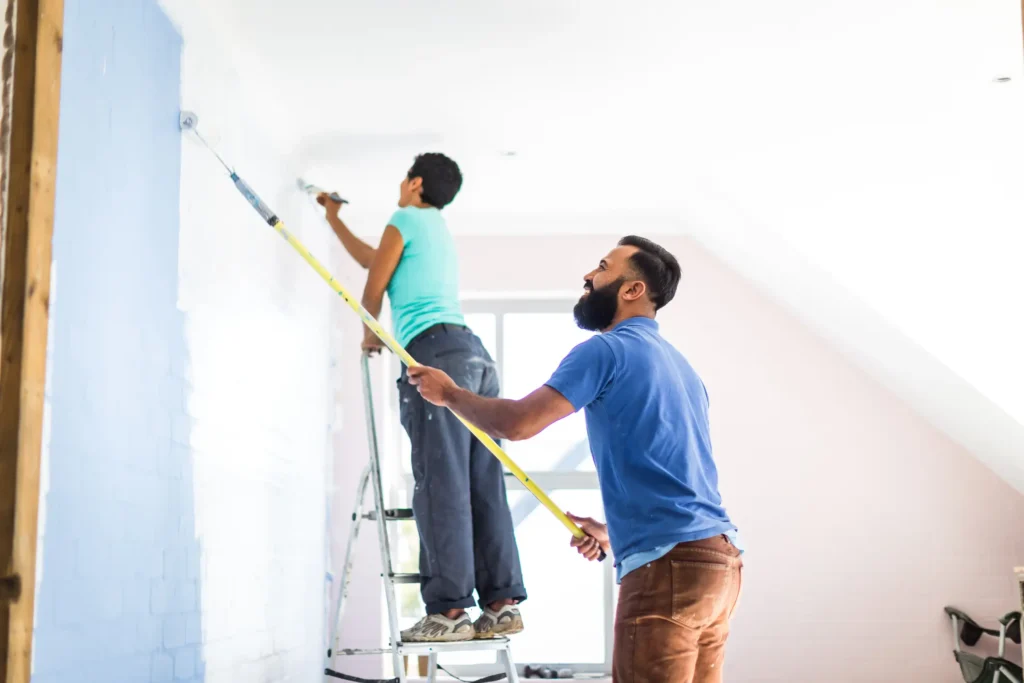
Here’s how you can prepare your Ceiling before painting:
- Clear and protect the room before painting
Furniture: Move furniture away or wrap it up in drop cloths and plastic sheets. To avoid any accidental splash, put some painter’s tape on the walls and floors to make sure that you work safely and concentrate on your goal of getting a clean ceiling coverage.
- Clean the Ceiling Surface
Paint can be affected by dust, grease, and cobwebs, and these will affect the adhesion of the painting Ceilings. Clean with a clean cloth or a low-concentration cleaning solution to eliminate accumulation, particularly in kitchens and bathrooms, so the paint goes on smoothly and lasts longer before it starts peeling off.
- Fix Cracks, Holes, and Surface Damages
Check the ceiling thoroughly whether there are cracks, nail holes, or water stains. Part fillings with spackling compound, sand lightly when dry, and form a smooth surface that will not allow any of the fillings to show through the fresh paint.
- Select the Correct Paint for Ceilings
The best one is the flat or matte ceiling paint as it reduces the amount of glare and conceals the imperfections on the surface. Ceiling-specific paints also splatter less and have better coverage, which makes them more forgiving to use in case the homeowner is at the helm of the project.
- Prefer the Right Tools to the Right Results.
Install a roller at the right length of nap, depending on the texture of the ceiling, and attach an extension pole to make it comfortable. Angled brushes assist in the cutting around edges, vents, and light fixtures with precision.
Ceiling Paint Techniques: Achieving Clean and Pro Results
As much as proper preparation is important, so is proper application of the painting ceilings. The right rolling techniques, consistency, and ample time to dry the area will ensure that homeowners can avoid streaks, lap marks, and rough spots.
Here is how you can easily apply the paint:
- Start by Cutting In the Edges
Start to painting ceilings at the corners of the ceiling wall that intersect with the walls with an angled brush. Starting with straight edges leaves no residual lines due to cutting, and the second roll across the bigger surface of the painting ceiling becomes smoother.
- Apply a Controlled Rolling Pattern
Use the paint in the form of “W” or “M” so that it is dispersed evenly. The heavy build-up is avoided with this method, and the surface is covered uniformly without roller marks and irregular texture being left behind.
- Keep a Wet Edge During Work
Paint in small portions and have some overlap at the time when the paint is wet. A wet edge is maintained to prevent visible lap marks, as well as to provide the painting ceilings with a smooth look.
- Minimize Drips and Splatter
Do not overload the roller; use constant pressure. By slightly wetting the roller by placing it in water before dipping it into paint, it is possible to reduce splatter and have more effective control of the paint application.
- Allow Proper Drying Between Coats
Allow one coat to dry, then apply another. The majority of ceilings take two coats to be fully covered, where covering any stain or darker colors is concerned, to obtain a smooth and long-term finish.
Conclusion
It does not have to feel that you are overpowering or messing up your painting ceilings as you paint your ceiling. When one is well prepared, has the right materials, and has the correct techniques, the homeowner can do wonders themselves. A painted ceiling is better to light up, make the rooms more attractive, and complete the interior appearance of your home. With these steps, you will be certain to turn your space inside out, by making it the best, with long-lasting, professional-quality results.
FAQs
1. What is the best way to start painting ceilings?
The best way to start painting ceilings is by preparing the surface properly. Clean off dust, repair cracks, apply primer if needed, and always begin painting from the edges before rolling the main ceiling area.
2. What type of paint is best for painting ceilings?
The best paint for painting ceilings is flat or matte ceiling paint because it hides imperfections and reduces light reflection. Ceiling-specific paints are also designed to minimize drips and splatter.
3. Do I need to prime before painting ceilings?
Yes, priming is recommended before painting ceilings, especially if there are stains, dark colors, or water marks. Primer helps ensure even coverage and improves paint adhesion.
4. What roller should I use for painting ceilings?
For painting ceilings, use a roller with a ½-inch to ¾-inch nap. This thickness holds more paint and allows smooth coverage on textured or flat ceiling surfaces.
5. How do I avoid streaks when painting ceilings?
To avoid streaks when painting ceilings, work in small sections, keep a wet edge, and roll in one direction for the final pass. Consistent pressure and proper lighting also help achieve an even finish.
6. How many coats are needed for painting ceilings?
Most painting ceilings projects require two coats for full coverage and a uniform appearance. One coat may work for minor refreshes, but two coats deliver better durability and color consistency.
7. Can I paint ceilings without making a mess?
Yes, painting ceilings can be clean and controlled by using drop cloths, painter’s tape, and a drip-resistant roller. Wearing protective gear and using ceiling paint also reduces splatter.
8. Should ceilings be painted before walls?
Yes, it’s always best to start painting ceilings before walls. This prevents ceiling paint from dripping onto freshly painted walls and makes touch-ups easier.
9. How long does painting ceilings take to dry?
Drying time for painting ceilings typically ranges from 2 to 4 hours for touch-dry, with full curing taking up to 24 hours. Proper ventilation speeds up the process.
10. Is professional help better for painting ceilings?
Hiring professionals can be a smart choice for painting ceilings, especially for high ceilings, textured surfaces, or large spaces. Professionals ensure safety, clean edges, and a flawless finish.
